How to Make an Inexpensive Whisky Gift Feel Expensive Without Breaking the Bank
Buying gifts can often feel like walking a tightrope between thoughtfulness and budget constraints. When it comes to spirits, whisky is inherently associated with luxury—the smoky notes, the deep amber hues, the sheer ritual of sipping aged grains. But what happens when the bottle itself doesn't come with the embossed gold foil and velvet box you usually see in magazines? Many people face the challenge of finding a genuinely good, yet budget-friendly, whisky gift that still conveys an air of prestige.

Rest assured, making an inexpensive whisky gift feel expensive is less about the price tag and more about presentation, storytelling, and elevating the entire sensory experience. It’s about treating the whisky not just as liquor, but as an event. With a few strategic touches, you can transform a modest bottle into a deeply appreciated gesture that screams "thoughtful luxury."
Curating the Presentation: The Art of Visual Deception
The first thing your recipient will notice is how the gift looks. If the whisky itself isn't dazzlingly rare, the surrounding elements must be. You want to create an immediate sense of occasion, making them feel like they’ve just walked into a high-end bar curated just for them. This stage is all about visual merchandising.
Elevating the Vessel and Display Props
The glassware you include can do 80% of the heavy lifting. Never simply hand over the whisky bottle with a generic tumbler. Instead, invest in two or three quality pieces of tasting glass—preferably nosing glasses or specialized single-malt tumblers that allow for proper aroma appreciation. These aren't just cups; they are tools of luxury.
Consider adding complementary props that suggest an ongoing ritual:
- A small, stylish coaster set made of slate or wood.
- A quality bottle opener with a unique design (avoid the cheap metal kind!).
- If appropriate for the recipient, a miniature decanter shaped like something meaningful to them.
These small details are the difference between "a bottle" and "an experience kit." Why does this matter so much? Because our brains are deeply conditioned by visual cues; if it looks expensive, we assume it is expensive.
The Power of Thoughtful Packaging
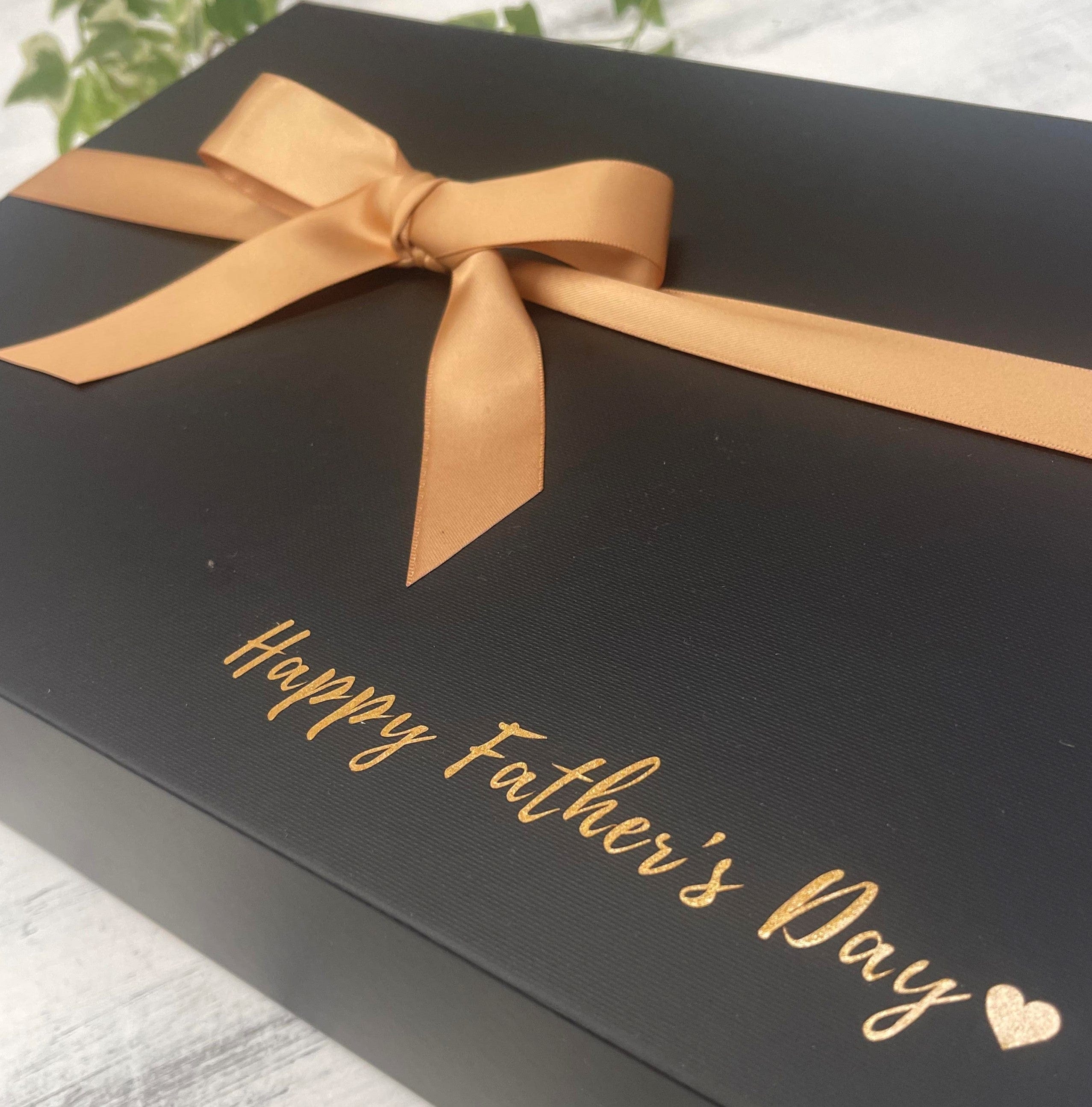
Wrapping a gift is an art form that can completely change perception. Skip the generic cellophane wrap. Instead, think about materials that evoke rich history and craftsmanship. Consider linen fabric wraps tied with twine, or using high-quality cardboard boxes (even if you have to source them locally).
When deciding on packaging, remember this rule: Always over-package. It’s better to seem like you put in too much effort Visit this site than not enough. Adding a handwritten note tucked into the ribbon is non-negotiable; it grounds the gift in personal sentiment rather than just monetary value. If you are struggling with how to make an inexpensive whisky gift feel expensive, remember that emotion trumps emerald foil every single time.
Building the Narrative: The Story Behind the Sip
The most powerful tool in your gifting arsenal is narrative. People rarely buy a bottle of whisky; they buy the story associated with it. A great story can transform any liquid into something legendary. This component requires you to become a temporary, enthusiastic expert.
Pairing Perfection: Complementary Edibles
A gift shouldn't just be consumed; it should be enjoyed alongside other sensory experiences. Think about creating a small pairing board that elevates the whisky's profile. Instead of buying expensive truffles, focus on high-quality staples that pair well with smoky malt notes.
Excellent pairings often include:
- Dark chocolate squares (especially those with sea salt).
- Artisan smoked nuts or jerky.
- A small wheel of aged cheese that cuts through the richness.
This elevates the gift from a single item to a curated tasting session. When you present these items together, it suggests that this whisky is meant for a special gathering and deep contemplation—the definition of luxury.
Crafting the Perfect Toast: Telling the Whisky’s Story
When presenting the gift, don't just hand over the bottle and say, "Here." Instead, give a brief, engaging speech. Research where the distillery is located, what historical event influenced Food Lover that region's culture, or even what type of wood was used in the barrel aging process.
For example, if you know the whisky comes from Scotland, mention the tradition of the coastal distilleries and how the salty air influences the malt profile. This level of detail demonstrates that you didn't just buy the cheapest option; you researched the origin. It shows reverence for the craft. As a renowned mixologist once said, "The best ingredient is always the story."
Curating the Ultimate Gifting Experience
Making an inexpensive whisky gift feel expensive requires treating your entire interaction with the recipient like a masterclass. The final touchpoints—the moment of presentation and the accompanying details—are what solidify the perception of quality.
The Importance of Contextual Pairing
Consider who you are giving the whisky to, and tailor the experience accordingly. A corporate friend might appreciate a pairing theme focused on Scotch history or international trade routes, while a close friend might prefer something more whimsical, like coupling it with a vintage bottle of bitters and local snacks.
I once gifted a moderately priced Japanese single malt to a colleague who was passionate about woodworking. I paired the whisky not just with chocolate, but with three different types of exotic wood-smoked caramels. The look on his face when he realized the connection between the smoke notes in both items—it was priceless. It proved that the value wasn't in the bottle itself, but in the thought process connecting two disparate elements.
What other details can you add? Perhaps a branded journal for them to jot down tasting notes, or a small booklet detailing the history of barrel aging. These minor additions act like anchors, rooting the perceived value higher than the actual cost. When you present these thoughtful components together, how do you manage to make an inexpensive whisky gift feel expensive almost effortlessly?
Ultimately, remember that luxury is not merely a material exchange; it is the feeling of being seen and understood. By focusing on presentation, storytelling, and the sensory journey—rather than the liquid itself—you transform a simple purchase into a carefully crafted memory. The perfect gift awaits when you approach it with the mindset of an experience designer, rather than just a shopper.